


Diploma in Electrical Engineering
Gandgi Institute of Excellent Technocrats (GIET), Ghangapatna offers a Diploma in Electrical Engineering, a 3-year technical program designed to provide the knowledge and skills necessary for a successful career in the electrical technology sector. The course covers essential topics such as electrical circuits, power systems, electrical machines, control systems, instrumentation, renewable energy technologies, and electrical safety.
In the current Indian scenario, this program offers vast opportunities as the nation witnesses major investments in chip manufacturing, semiconductor industries, rural electrification, and smart city development. With a strong focus on practical training, real-world exposure, and state-specific learning needs, this diploma prepares students to become competent electrical technicians, engineers, supervisors, and entrepreneurs.
The curriculum is aligned with AICTE guidelines and approved by SCTE&VT Odisha, ensuring both academic rigor and industry relevance. This program is ideal for students looking to start their careers early in the core electrical sector or to pursue higher studies in engineering.
Begin Your Career with a Diploma in Electrical Engineering at GIET, Ghangapatna
If you are interested in electrical engineering, this diploma programme serves as the perfect foundation. It has been structured to provide practical and theoretical skills needed to thrive in this evolving field. The curriculum is developed with a focus on current industry standards and hands-on problem-solving approaches.
Top Electrical Engineering College: Choose GIET, Ghangapatna
GIET, Ghangapatna is ranked among the top 3 polytechnic institutes and top 10 diploma colleges in Odisha. Known for its academic excellence and industry-focused learning approach, this programme emphasizes employability and skill-building. With experienced faculty, well-equipped labs, and consistent academic support, students are prepared for both academic and professional success.
Top Colleges for Electrical Engineering in India
The curriculum at GIET offers a balanced blend of theoretical knowledge and real-world application. From circuit design to complex power system analysis, students are trained to handle various roles in electrical engineering. The programme enhances their technical responsibilities and adaptability to modern technologies.
Electrical Engineering Colleges in Odisha: Odisha’s Best Institute for Diploma
Located near the Mendhasal Reserved Forest, the GIET campus provides a peaceful, well-connected learning environment suitable for technical education. Through classroom learning, hands-on labs, and project-based assignments, students develop a strong understanding of both foundational and advanced topics.
Electrical Engineering Colleges in Bhubaneswar
This diploma programme follows a "learning by doing" approach. Students actively participate in circuit design, simulations, machine operations, and electrical system troubleshooting in lab environments. This method enhances their critical thinking and practical capabilities in alignment with modern industry needs.
Structured Syllabus for Technical Proficiency
The syllabus is thoughtfully designed to introduce students to core electrical concepts and progressively lead them into advanced areas. All subjects are taught with clarity and industry relevance to ensure that students not only learn the theory but also apply it confidently in professional settings.
Core Subjects That Build Industry Skills
The key subjects included in the diploma are circuit analysis, digital electronics, electrical machines, transmission and distribution systems, and industrial automation. These areas are selected to reflect actual industry functions and future workforce demands.
Hands-On Polytechnic Experience
Emphasizing practical learning, the programme includes extensive workshop training, lab experiments, and real-time projects. Students gain hands-on experience with electrical tools, testing instruments, and modern simulation software—ensuring job-readiness and practical confidence.
Open to Students After 10th or 12th
This programme is open to students who have completed their 10th or 12th grade. It serves as a strong entry point into the technical field, offering early exposure to engineering principles and preparing students for higher education or direct entry into core-sector jobs.
Scope for Diploma in Electrical Engineering
A Diploma in Electrical Engineering graduate student get vast and growing opertunity due to major state and central government initiatives such as Saubhagya (rural electrification), PM-KUSUM (solar irrigation pumps), and Make in Odisha campaigns promoting industrial growth now days. Graduates can pursue:
1. Government Sector:
Opportunities in PSU like Odisha Power Transmission Corporation Limited, Odisha Hydro Power Corporation, GRIDCO, Department of Energy and Odisha Renewable Energy Development Agency, etc. Students are also elligible for technical posts such as JE, Line Inspector, Maintenance Technician, and Substation Operator through OSSC, OPSC, DRDO, NTPC, SAIL, IOCL, and other PSU exams.
2. Private Sector:
In private sector like construction firms, automation companies, renewable energy firms, steel plants, and manufacturing sectors are rapidly growing in India and well as in Odisha. Where student get get Roles as Electrical Site Supervisor, Control Panel Designer, Maintenance Engineer, PLC Programmer, and Quality Inspector.
3. Further Education:
Those who want study further can join B.Tech in Electrical Engineering through OJEE entrance, enabling higher qualification and better job prospects and skill set, more to Research sector in fields like Power Electronics, Renewable Energy, Robotics, or Embedded Systems.
4. Entrepreneurship & Contracting:
After gaining some year of experience and obtaining licenses, diploma holders can start their own contracting, repair, or installation businesses, particularly valuable in Odisha’s urban and rural areas.
Vision of the Department of Electrical Engineering
The Department of Electrical Engineering will provide programs of the highest quality to produce globally competent technocrats who can address challenges of the millennium to achieve sustainable socio-economic development.
Mission of the Department of Electrical Engineering
|
M1: |
To create graduates possessing sound fundamental knowledge of Electrical Engineering. |
|
M2: |
To provide technocrats for industry. |
|
M3: |
To pursue research in Electrical Engineering and across the disciplines. |
|
M4: |
To create engineering manpower for contributing effectively towards societal development. |
HoD massage
As the Head of the Department of Electrical Engineering at Gandhi Institute of Excellent Technocrats, Bhubaneswar , I am pleased to welcome you to our vibrant and dynamic community. Our department is dedicated to fostering innovation, providing high-quality education, and equipping students with the knowledge and skills required to excel in the ever-evolving field of electrical engineering. Our department's programs are designed to meet the needs of students, industry, and society. The department also aims to contribute to society by fulfilling the needs of the smart energy management system. The department also has state-of-the-art research facilities and faculty members who are actively involved in research. The department also organizes regular trainings, workshops, industrial visits, and conferences. We prepare our students to tackle global challenges and contribute meaningfully to technological advancements. I look forward to your success and growth within our department.
Hod of Department
Department of Electrical Engineering
GIET, Ghangapatna
Laboratories of Electrical department :
Our Electrical department provides a full-fledged laboratory that supports modern education and hands-on skill set. These labs are regularly maintained, upgraded to meat industry standards. Our labs are as below
1. Basic Electrical Lab: In this first-year students learn about electrical principles, laws, measurements, and basic components.
2. Electrical Machines Lab: Student works with DC machines, transformers, different types of motors for learning testing, operation, and fault analysis.
3. Power Systems Lab: To simulate fault detection, relay testing, transmission line simulation, and load flow studies.
4. Control Systems & Instrumentation Lab: where students design and test automation setups. Focuses on programmable logic controllers (PLCs), relay logic, PID controllers, and industrial sensors.
5. Electrical Workshop: For practical wiring (domestic and industrial), earthing, motor rewinding, appliance repair, and safety drills. For empowering self-employment and on-field readiness.
6. Renewable Energy Lab: Training on solar systems, battery storage, and mini-wind turbines like Renewable Energy technologys.
7. CAD Lab: Students learn use of software tools such as AutoCAD Electrical to simulate and design real-world electrical systems.
Proctor System at GIET Ghangapatna:(A Structured Approach for Student Mentorship)
At Gandhi Institute of Excellent Technocrats (GIET), Ghangapatna, we provide each level guidance. To achieve success, we implemented a well-structured Proctor System across all departments, which ensures that every student receives dedicated mentorship.
Each faculty member is assigned a group of students, known as their proctees, for whom they serve as a guide and first point of contact for their concerns. This system helps bridge the gap between students and the institution, creating a healthy environment of trust, responsibility, and continuous support.
Objectives of the Proctor System:
- To monitor the overall academic progress and attendance of students.
- To identify and address personal, psychological, or academic challenges at an early stage.
- To provide career counseling and encourage participation in co-curricular and extracurricular activities.
- To maintain regular communication between parents and the institution.
- To promote a sense of discipline, motivation, and institutional belonging among students.
Proctor Report & Documentations
The reports below reflect the outcomes of this system at both individual and departmental levels. These documents serve as records of the proctor's efforts and the student’s growth over each academic cycle.
|
1.4 PROCTORIAL SYSTEM OVERVIEW |
View |
|
1.4 PROCTOR REPORT OF DIPLOMA ELECTRICAL |
FEEDBACK MECHANISM
Our college has implemented a well-structured feedback mechanism whereby we collect the feedback from students, parents, employees, employer, and alumni. This helps the college to improve the performance and strengthen the quality of education. The college provides the necessary arrangements for feedback responses from all the stakeholders. The ultimate aim of stakeholder's feedback is to get useful insights for the purpose of improvement in all aspects of teaching, learning, assessment and capacity.
Feedback from Students:
The student feedback is very important to strengthen the quality of teaching learning environment. Students' Feedback is a web-based survey done to gauge overall student satisfaction with their quality of education, quality of campus facilities, availability of resources, student-faculty interaction and their perceptions on sustainability and infrastructure, personality development and ethical standard amongst students. It also assesses students' overall level of satisfaction with their experiences at our college.
Feedback from Parents:
Parents form an important part of stakeholders. A 'PTA' meeting is organized once in every year to discuss the issues related to various aspects. The data collected from the parents are analyzed and the necessary rectifications are done.
Feedback from Alumni:
The institution believes that the contribution of alumni is essential particularly in the development of the academic related activities. Our college maintains a strong and healthy association with the alumnus. Alumni Feedback is collected during the Alumni meetings.
Feedback from Teacher :
The Teacher's feedback is sought about the course, performance of the institution, employee's acquaintance with technical/ teaching skills and knowledge, adequacy of necessary communication skills to meet the job requirements, ability to find immediate practical solutions for field problems, etc.
|
Report of Students Feedback Mechanism and Corrective Action taken during period 2023-2024 |
VIEW |
INNOVATIVE TEACHING MEATHODES:
For Diploma Student of GIET, Ghangapatna we adopt practical and skill-centric learning approaches.
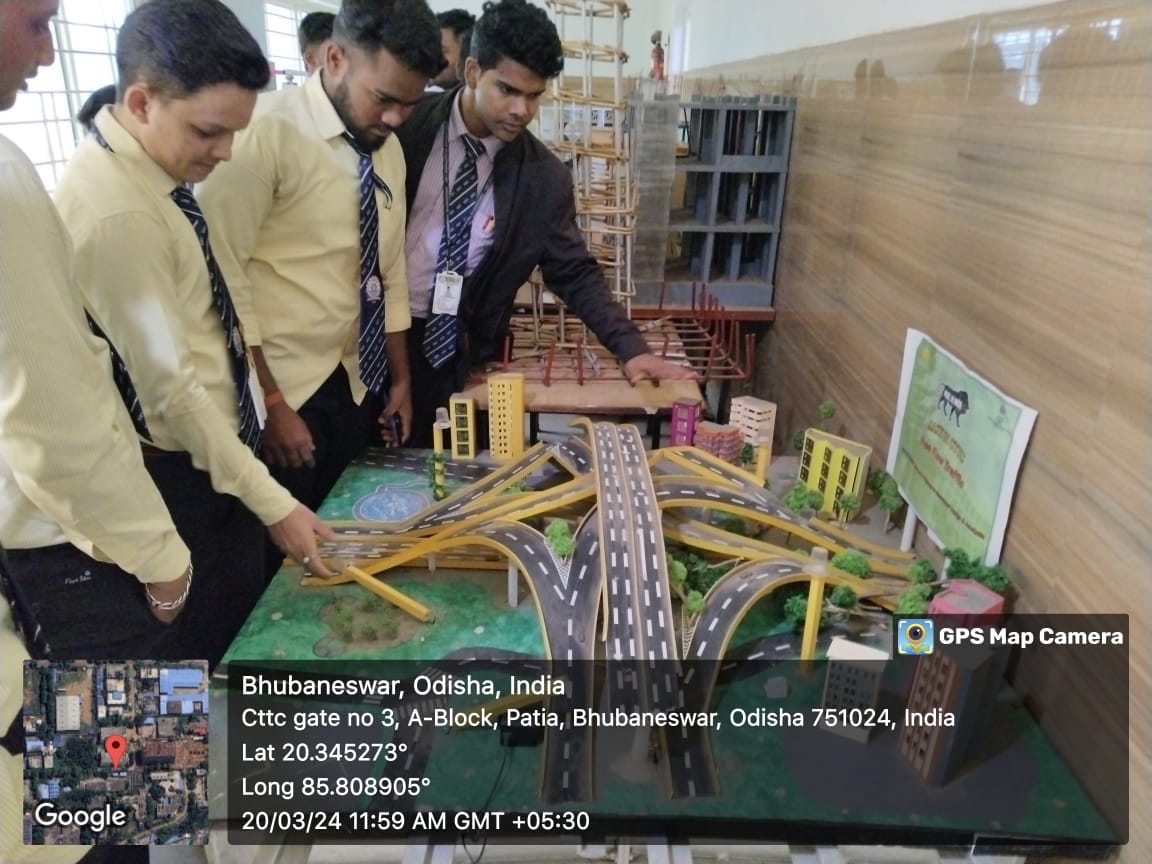
Project Based Learning: Students work on real-life projects such as urban housing, irrigation systems and road planning, etc. That strengthen students with real life dificulties.
Site Visits: our students visits construction sites, government projects, and internships with PWD or private firms regullarly to enhance practical knowledge and actual see the problen and gain he knowledge for that.
Guest Lectures & Workshops: Experts from reputed organizations regularly share real-world insights in workshop organised by Civil department on both online and ofline mode.
Mentorship: Our senior students and faculty mentors guide juniors through project, workshops, design competitions, and technical clubs.

Smart Classrooms – Empowering student with Modern Education
In GIET, Ghangapatna, we offer advanced smart classroom designed to redefine the learning experience for students pursuing engineering and diploma programs. Our classrooms are equipped with the latest digital teaching tools including smart boards, projectors, internet-enabled systems, and high-quality AV equipment.
|
PROF. AJANTA PRIYADARSHINEE |
PROF. BTM NAYAK |
PROF. DEBAPRIYA NILAKANTHA PADHY |
|
PROF. RITIKA BEHERA |
PROF. SHAKTINARAYANA MISHRA |
PROF. RAKESH KUMAR PATTANAYAK |
|
PROF. RAKESH ROSHAN SWAIN |
PROF. PUJASHREE PANIGRAHI |
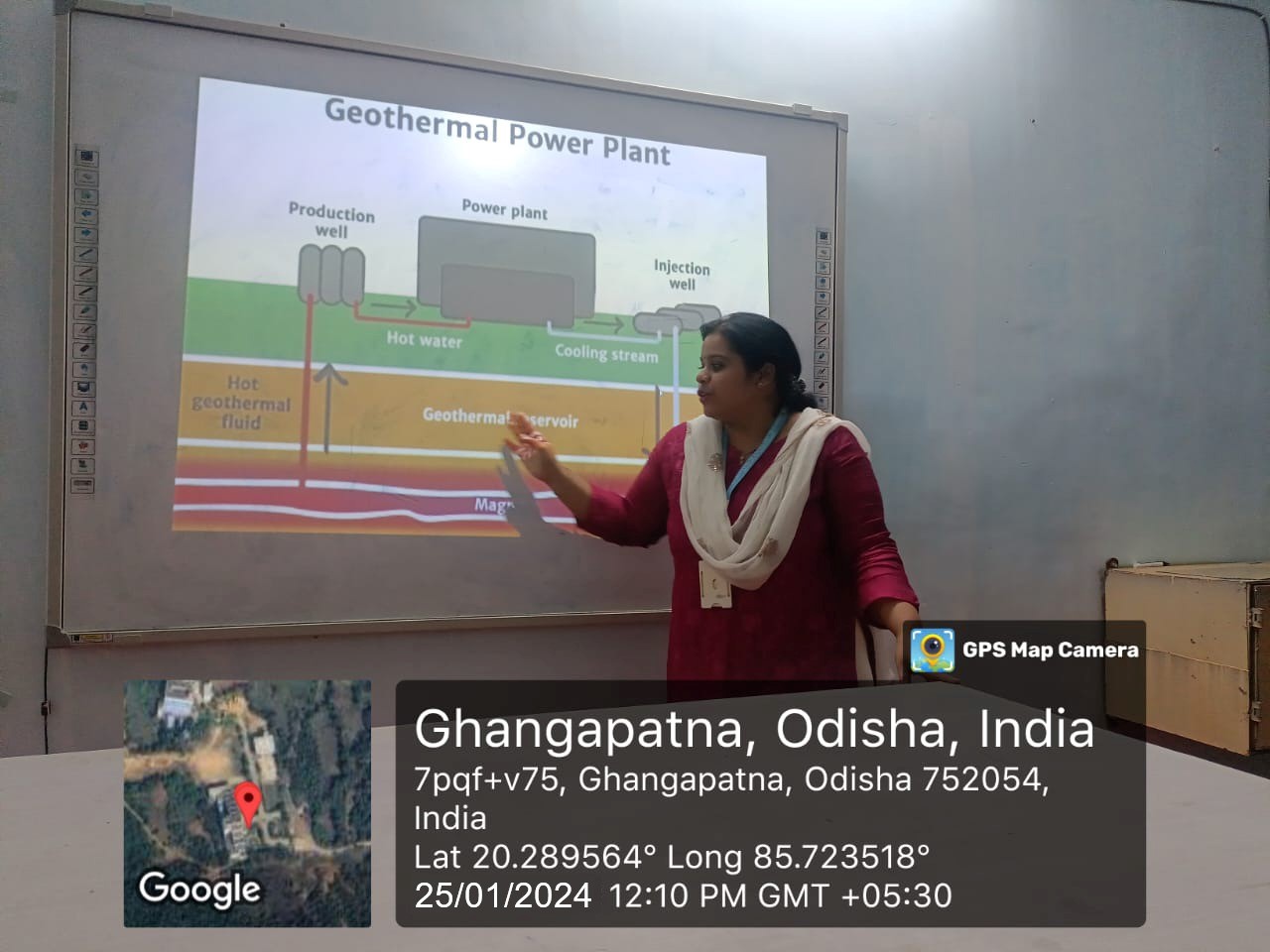
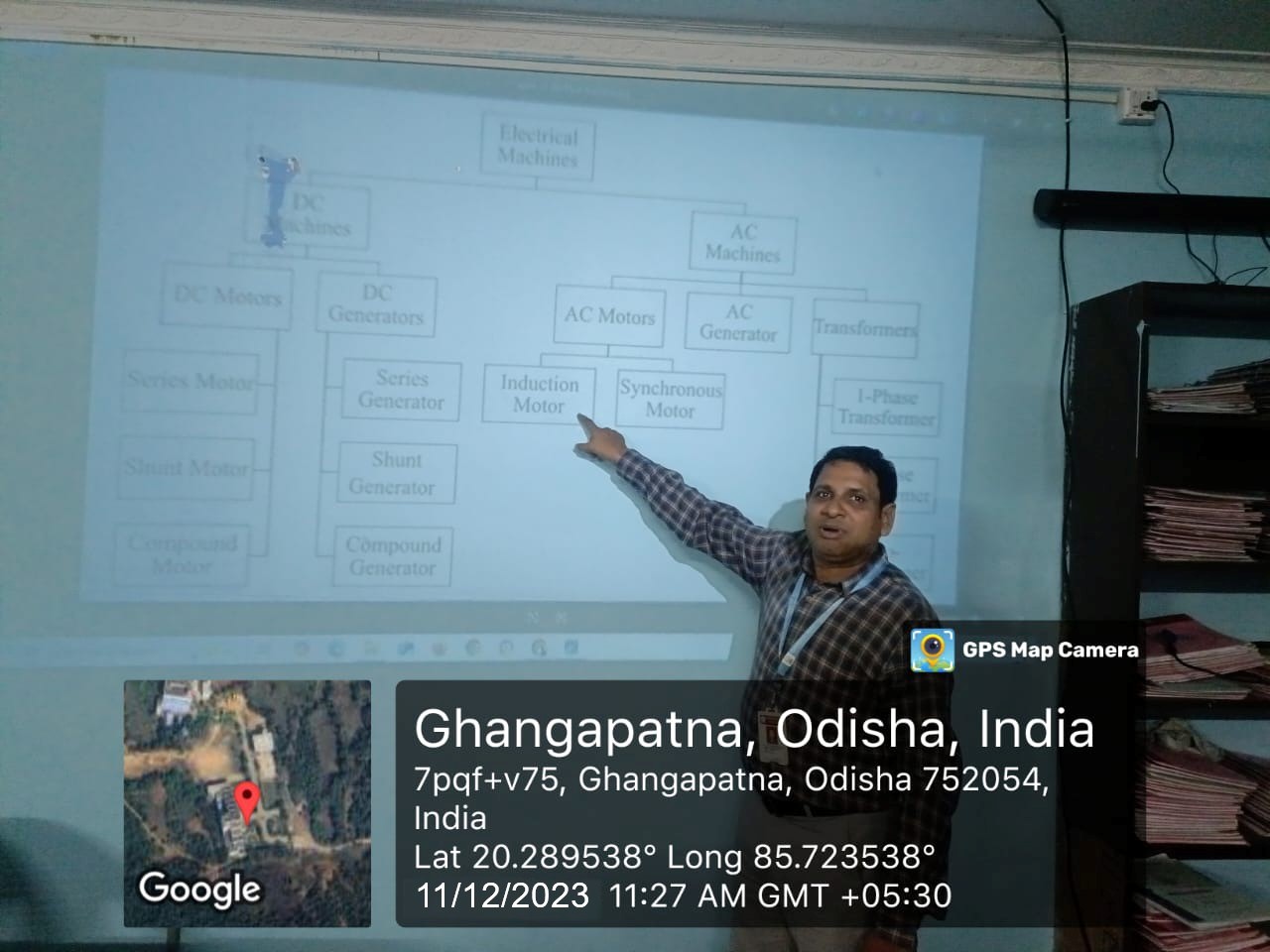
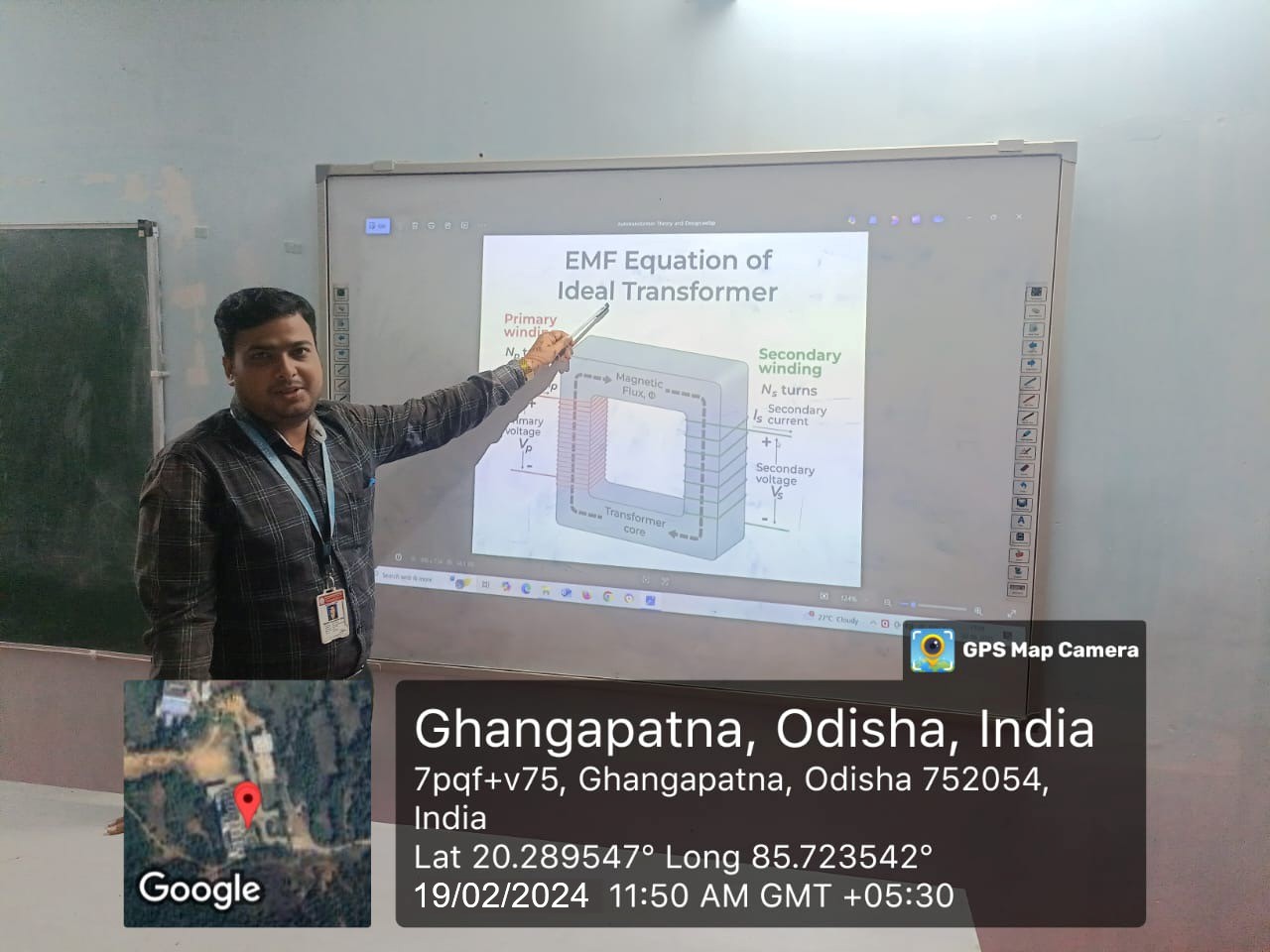
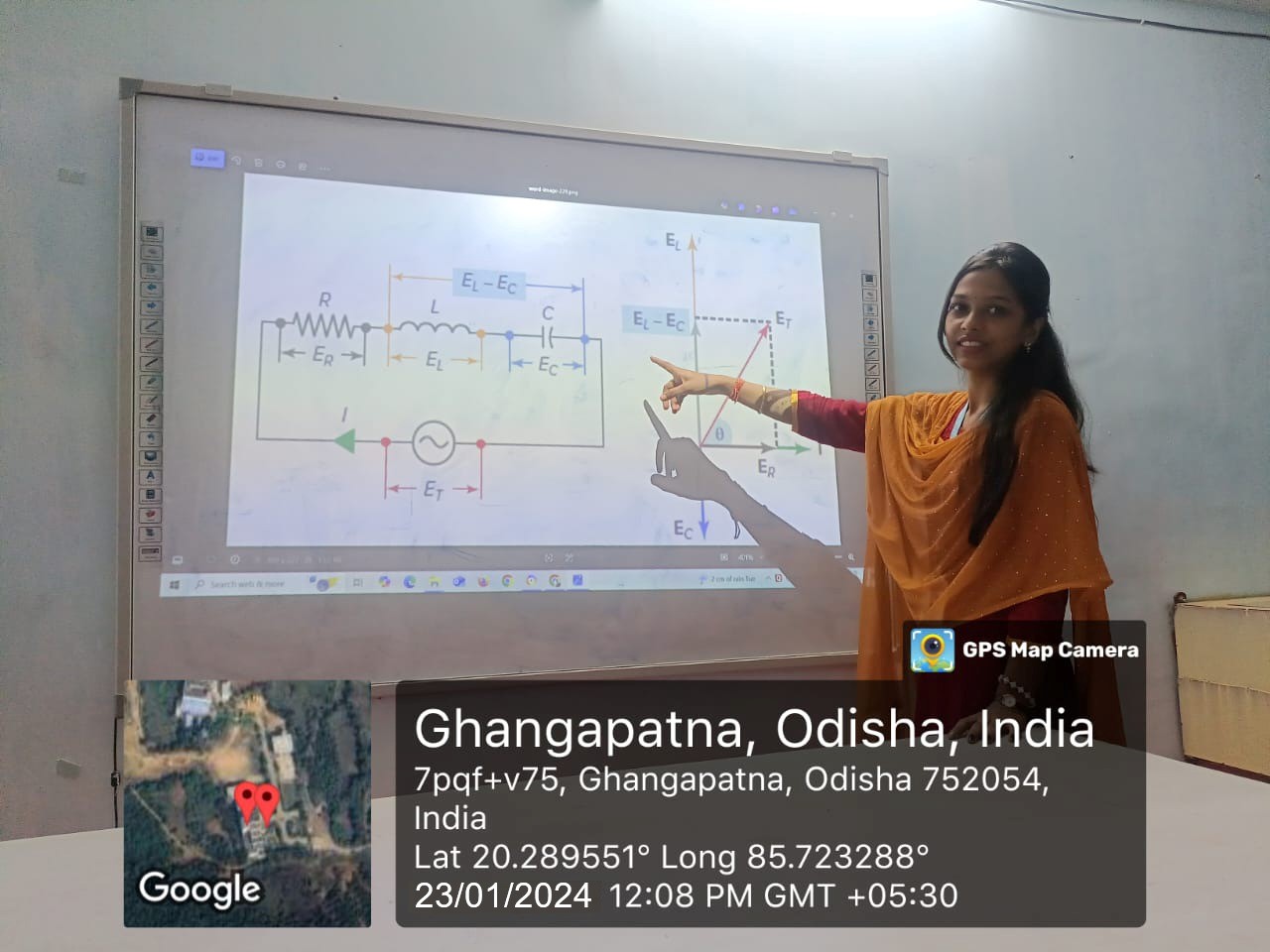
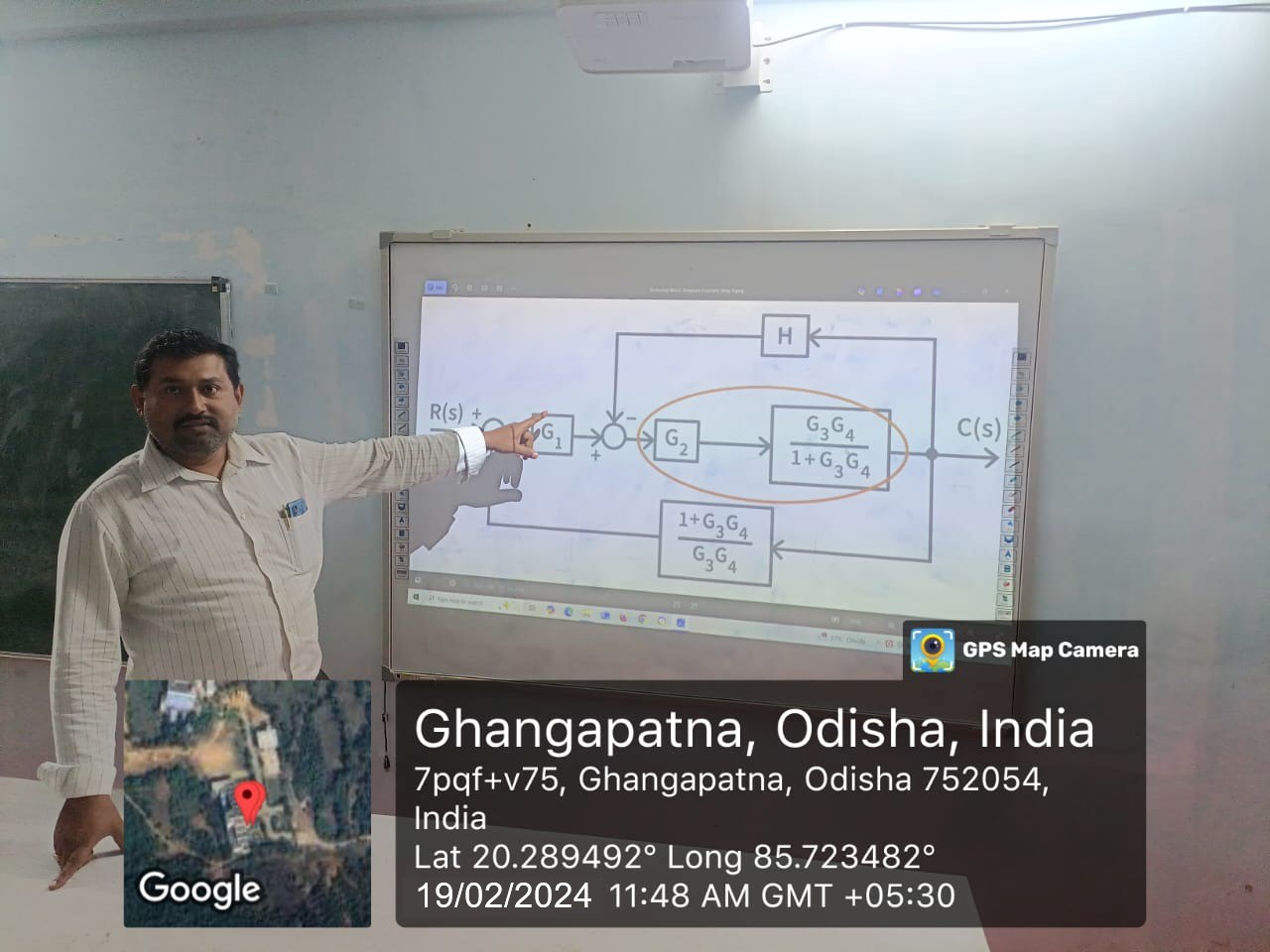
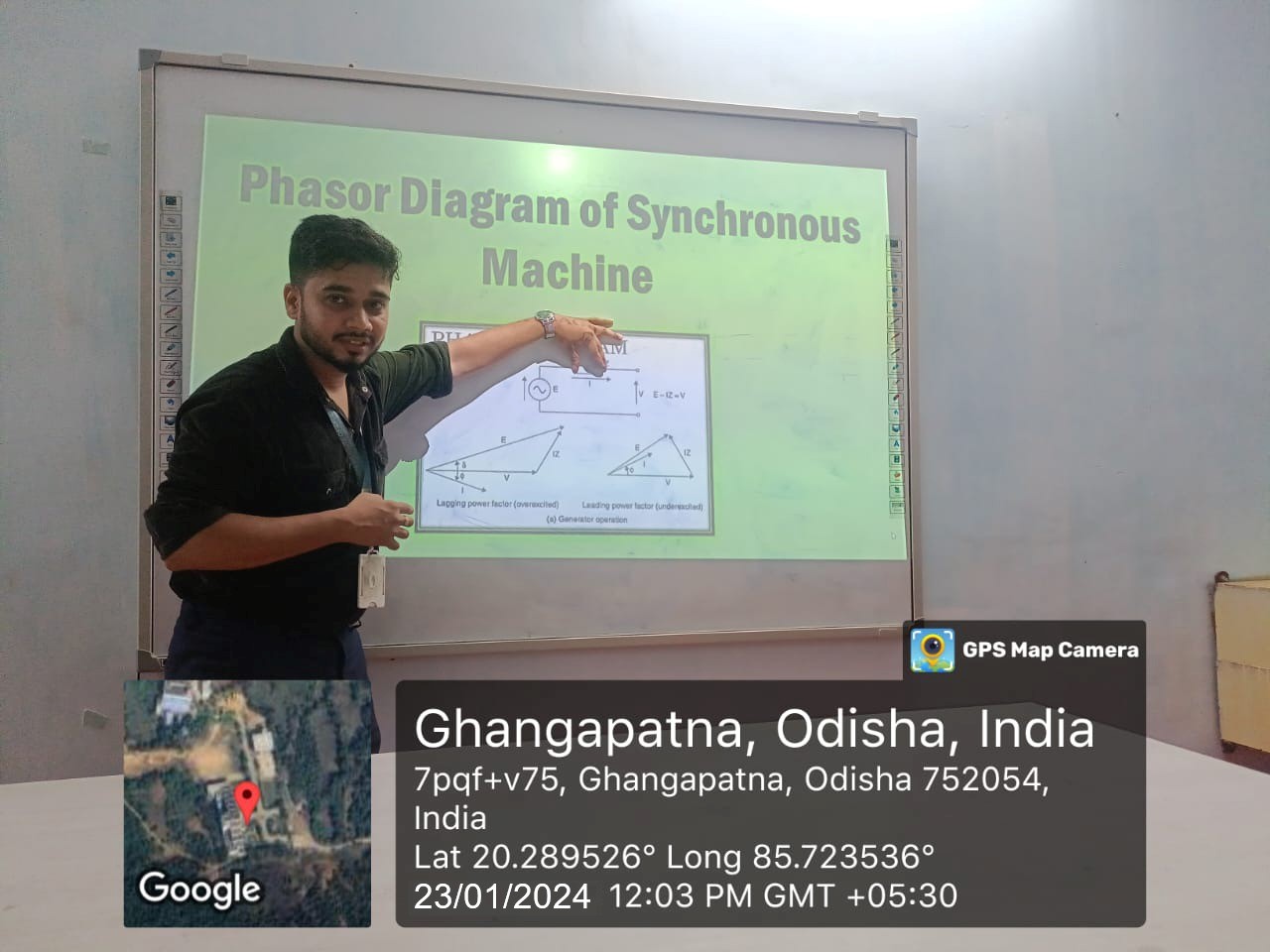
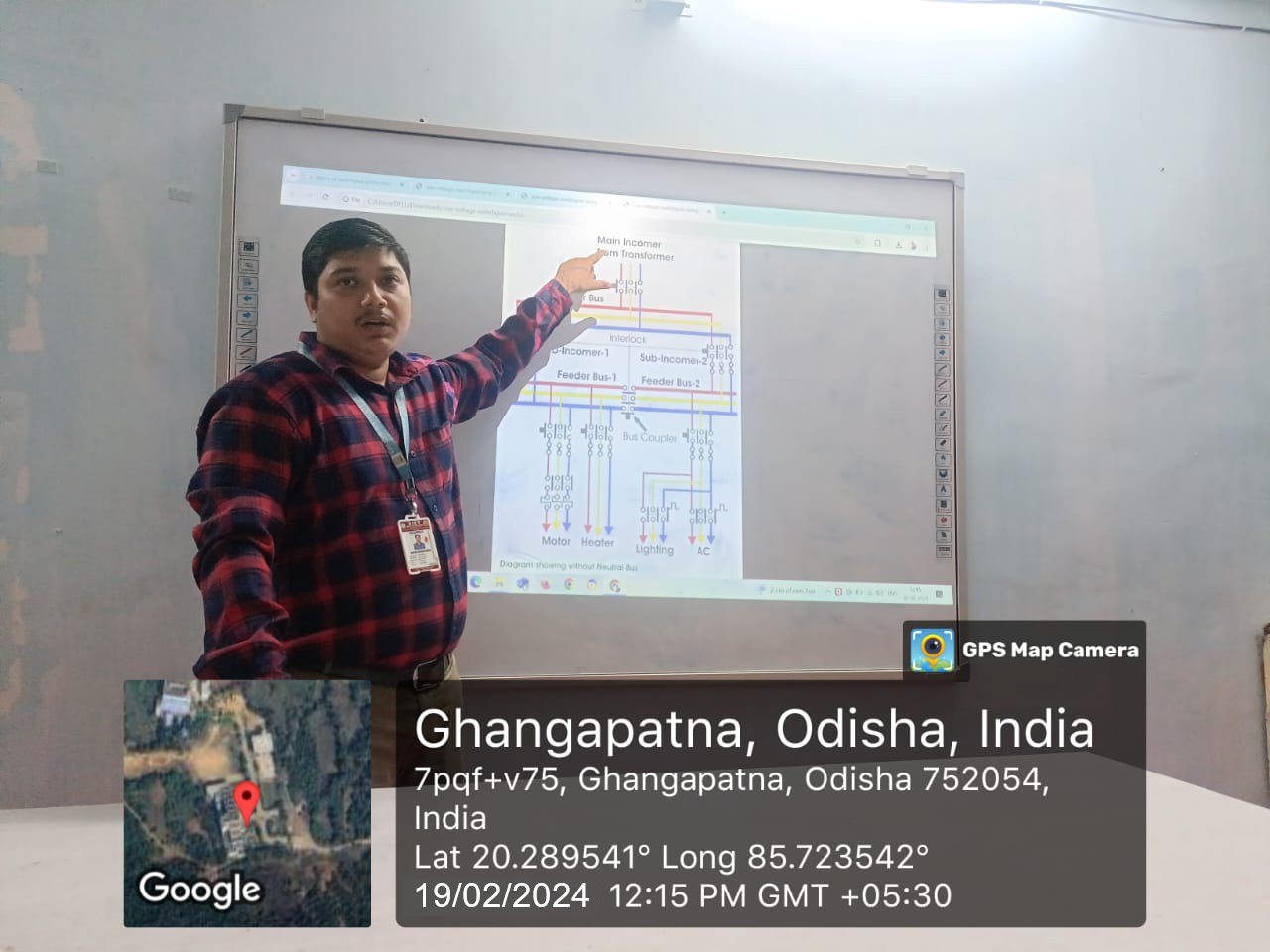
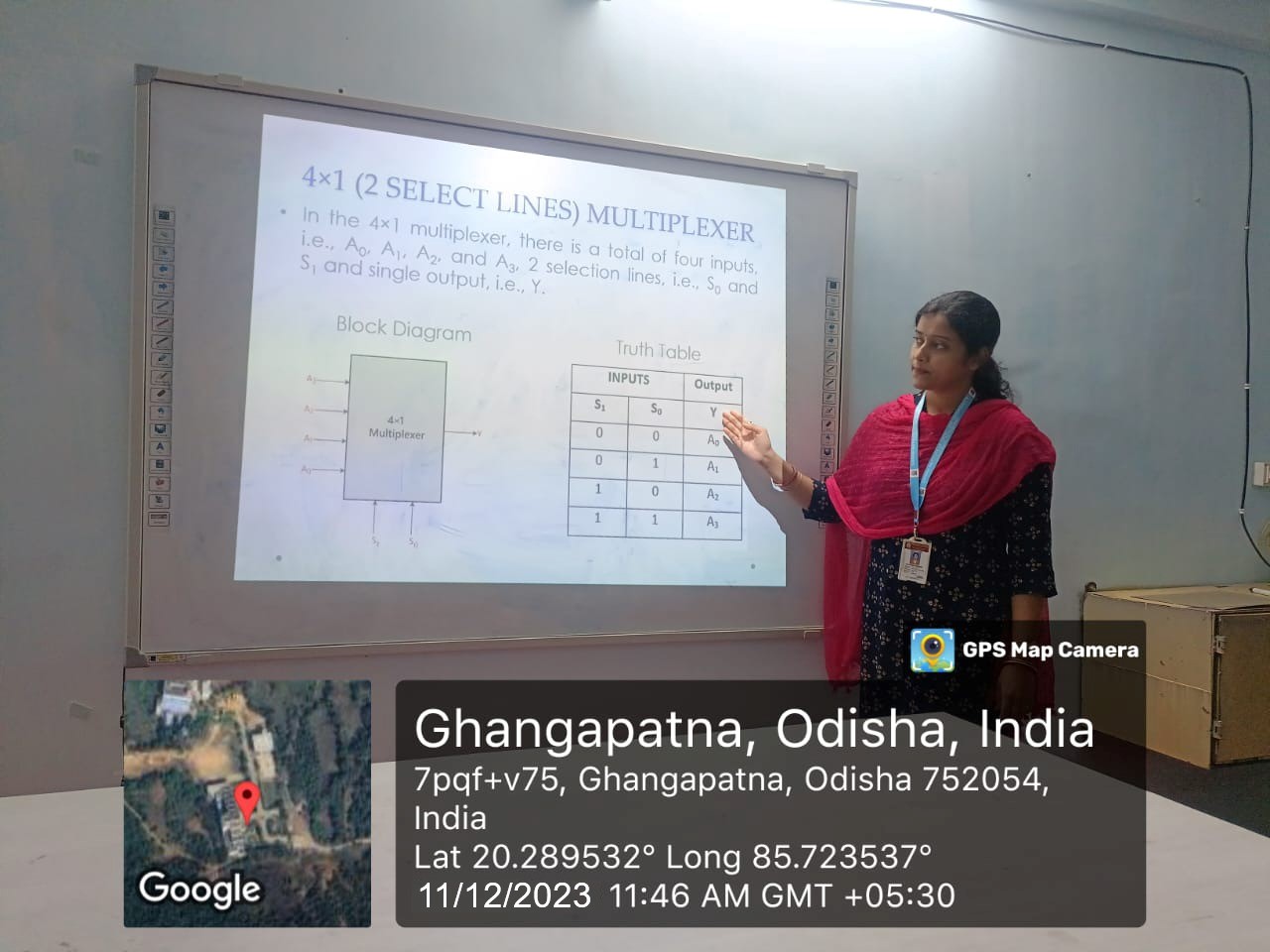
Lecture video for engineering and diploma students at GIET Odisha smart classroom
At GIET, Ghangapatna, we offer high-quality lecture videos to support both diploma and engineering students in Odisha. These videos are recorded from smart classrooms and cover key subjects with expert faculty guidance, helping students revise and learn anytime, anywhere.
|
PROF. AJANTA PRIYADARSHINEE |
PROF. BTM NAYAK |
PROF. DEBAPRIYA NILAKANTHA PADHY |
|
PROF. RITIKA BEHERA |
PROF. SHAKTINARAYANA MISHRA |
PROF. RAKESH KUMAR PATTANAYAK |
|
PROF. RAKESH ROSHAN SWAIN |
PROF. PUJASHREE PANIGRAHI |
LECTURE NOTES OF DIPLOMA ELECTRICAL
|
Subject |
Semester & Course | Prepared by |
Action |
|---|---|---|---|
|
BEE |
1st Sem Diploma (Electrical) | Prof. Debapriya Nilakantha Padhy | |
|
BEEE |
1st Sem Diploma (Electrical) | Prof. Ritika Behera | |
|
BEEE |
1st Sem Diploma (Electrical) | Prof. Shaktinarayan Mishra | View |
|
C&NT |
3rd Sem Diploma (Electrical) | Prof. Ajanta Priyadarshine | |
|
EEM |
3rd Sem Diploma (Electrical) | Prof. Rakesh Kumar Pattanayak | |
|
Env. Studies |
3rd Sem Diploma (Electrical) | Prof. Rakesh Rosan Swain | |
|
AE&OPAMP |
4th Sem Diploma (Electrical) | Prof. Pujashree Panigrahi | |
|
EC-I |
4th Sem Diploma (Electrical) | Prof. BTM Nayak | |
|
GT&D |
4th Sem Diploma (Electrical) | Prof. Rakesh Kumar Pattanayak | |
|
DE&MP |
5th Sem Diploma (Electrical) | Prof. Pujashree Panigrahi | |
|
EC-II |
5th Sem Diploma (Electrical) | Prof. BTM Nayak | |
|
PE&PLC |
5th Sem Diploma (Electrical) | Prof. Rakesh Kumar Pattanayak | |
|
UEE&T |
5th Sem Diploma (Electrical) | Prof. Ajanta Priyadarshine | |
|
CSE |
6th Sem Diploma (Electrical) | Prof. Shaktinarayan Mishra | |
|
EI&C |
6th Sem Diploma (Electrical) | Prof. Ritika Behera | |
|
Ren. Eng. |
6th Sem Diploma (Electrical) | Prof. Ajanta Priyadarshine | |
|
SG&PD |
6th Sem Diploma (Electrical) | Prof. Rakesh Rosan Swain |
Lesson Palne of Diploma in Electrical Engineering
>
|
Semester |
Subject | Faculty Name |
Action |
|---|---|---|---|
|
3rd Sem Diploma (EE) |
C&NT | Prof. Ajanta Priyadarshinee | |
|
3rd Sem Diploma (EE) |
EEM | Prof. Rakesh Ku. Pattanayak | |
|
3rd Sem Diploma (EE) |
ES | Prof. Rakesh Roshan Swain | |
|
4th Sem Diploma (EE) |
EC-I | Prof. BTM Nayak | |
|
4th Sem Diploma (EE) |
EM&I | Prof. Debpriaya Nilakantha Padhy | |
|
4th Sem Diploma (EE) |
AE&OP-Amp | Prof. Pujashree Panigrahi | |
|
4th Sem Diploma (EE) |
GT&D | Prof. Rakesh Ku. Pattanayak | |
|
5th Sem Diploma (EE) |
UEE&T | Prof. Ajanta Priyadarshinee | |
|
5th Sem Diploma (EE) |
EC-II | Prof. BTM Nayak | |
|
5th Sem Diploma (EE) |
DE&M | Prof. Pujashree Panigrahi | |
|
5th Sem Diploma (EE) |
PE&PLC | Prof. Rakesh Ku. Pattanayak | |
|
5th Sem Diploma (EE) |
EM&MT | Prof. Rakesh Roshan Swain | |
|
6th Sem Diploma (EE) |
RE | Prof. Ajanta Priyadarshinee | |
|
6th Sem Diploma (EE) |
SG&PD | Prof. Rakesh Roshan Swain | |
|
6th Sem Diploma (EE) |
EI&E | Prof. Ritika Behera | |
|
6th Sem Diploma (EE) |
CSE | Prof. Shaktinaryan Mishra |
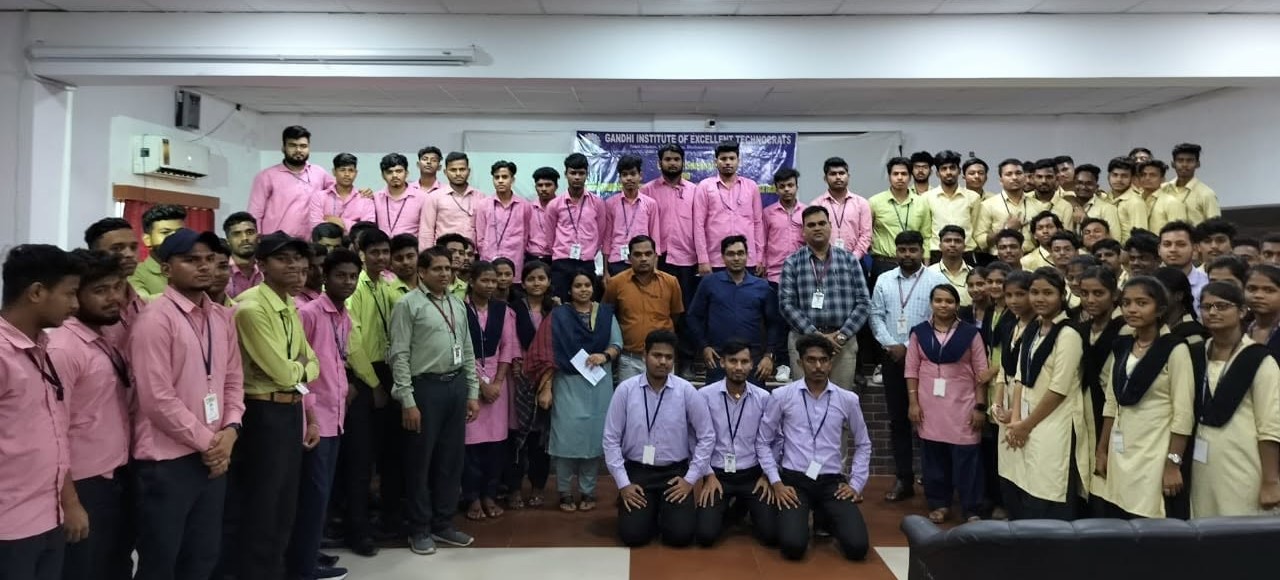
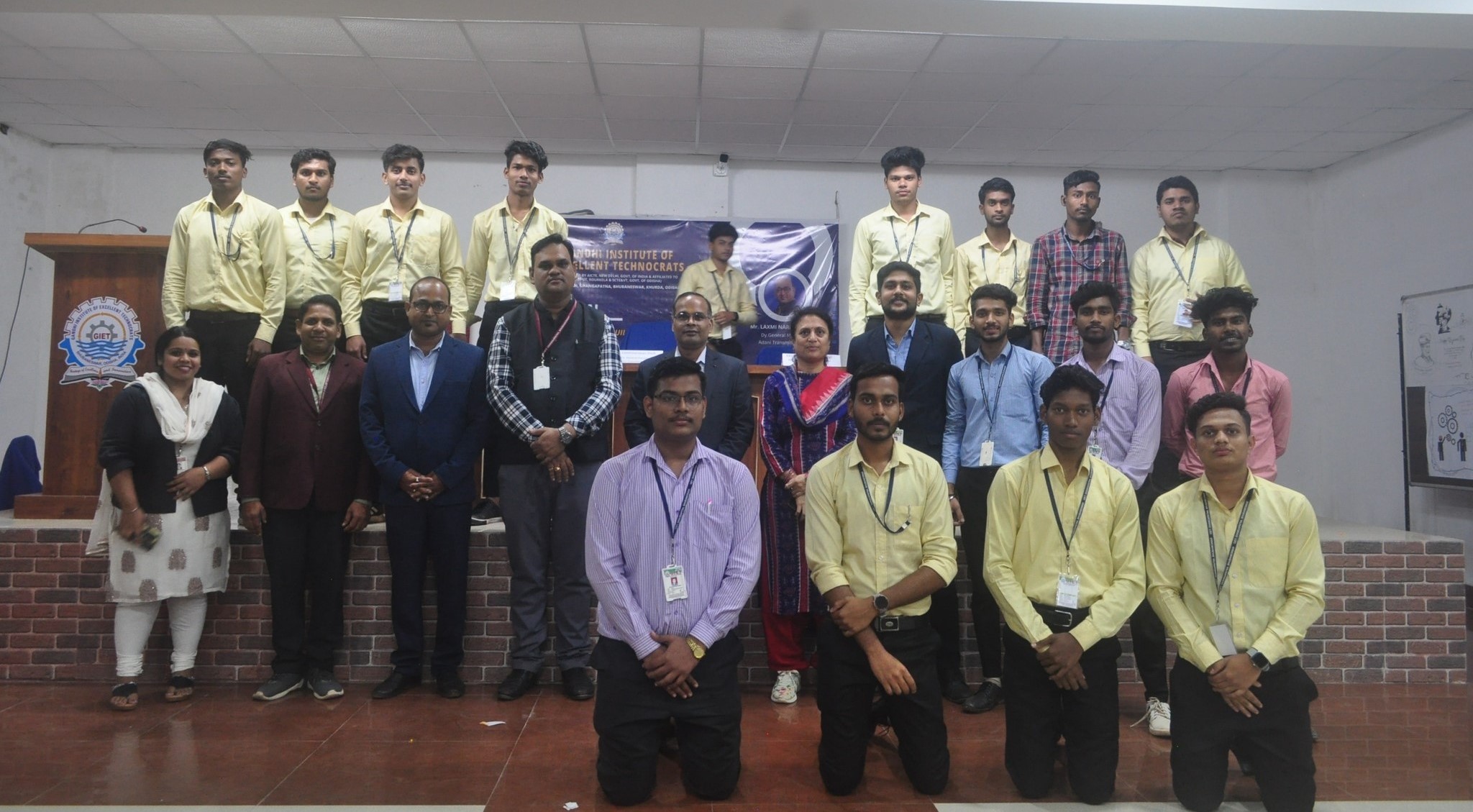
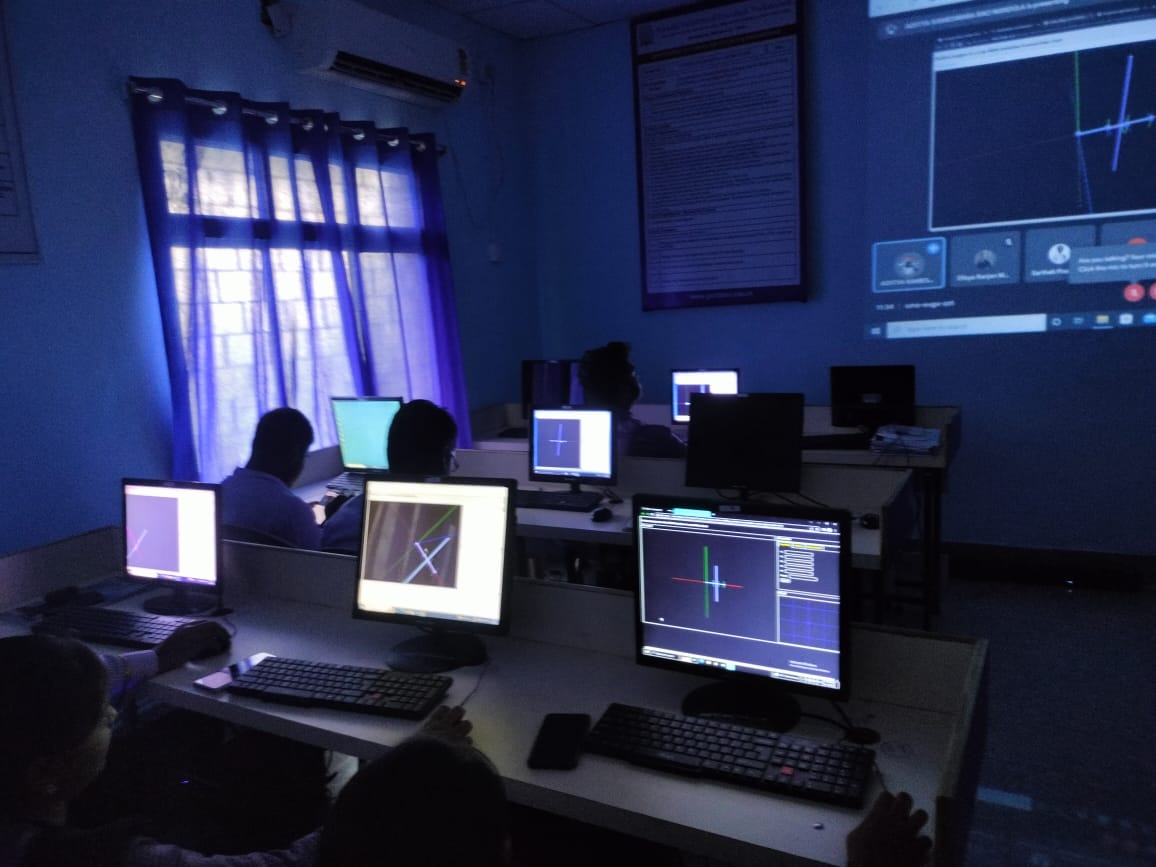
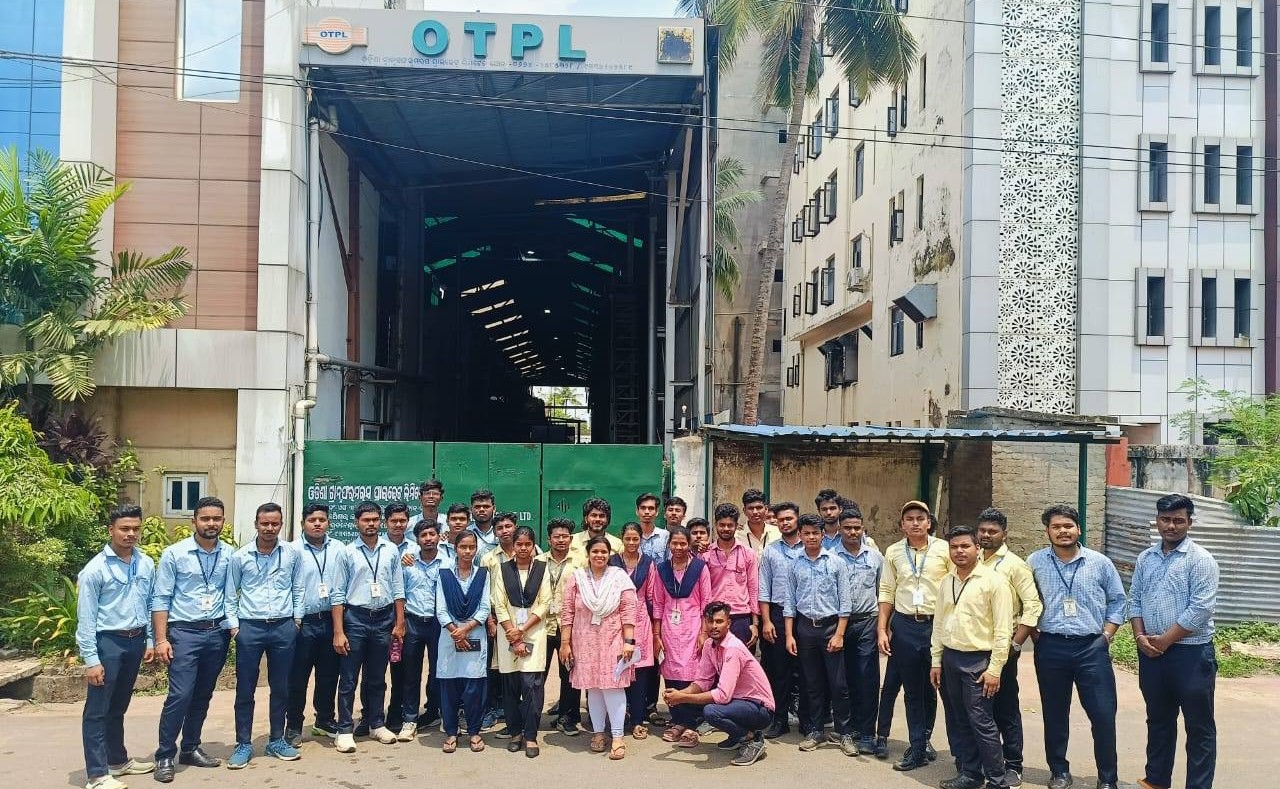
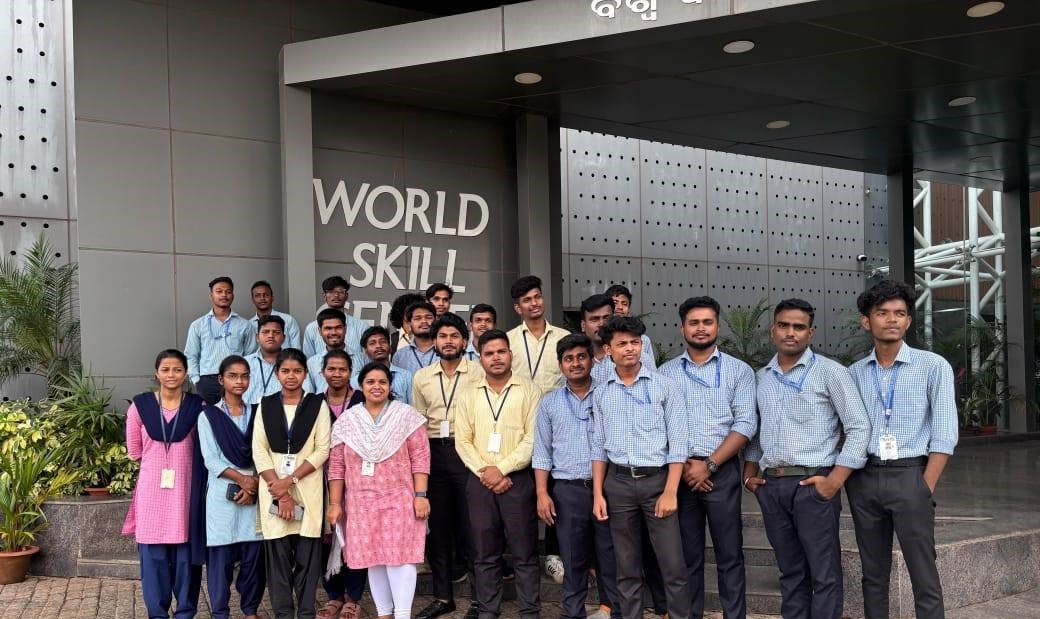
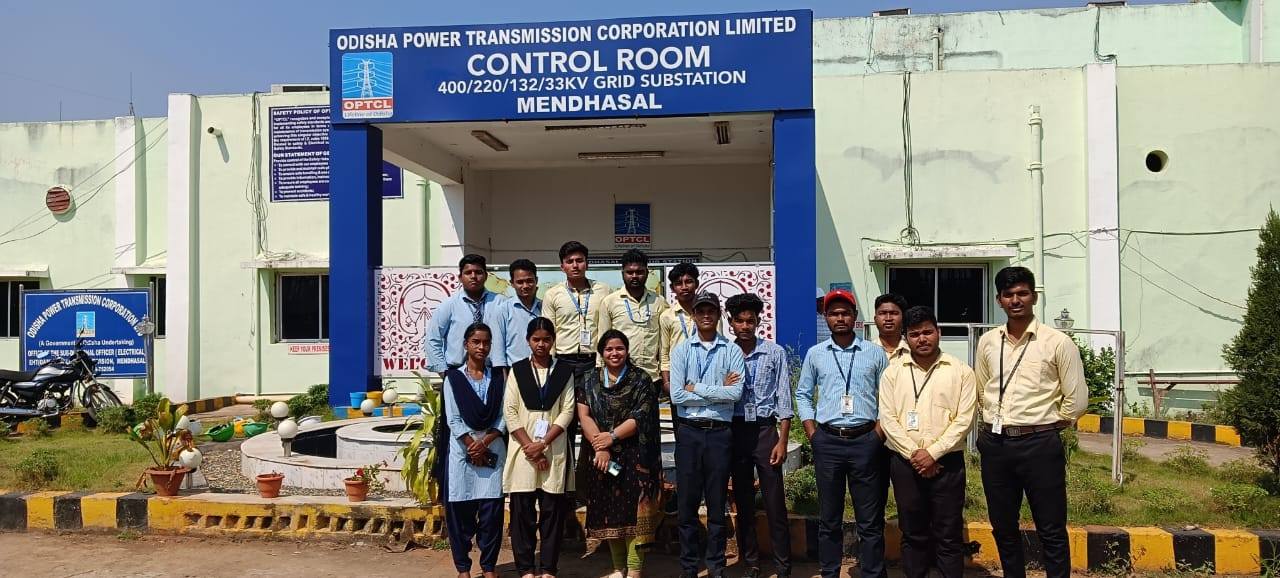
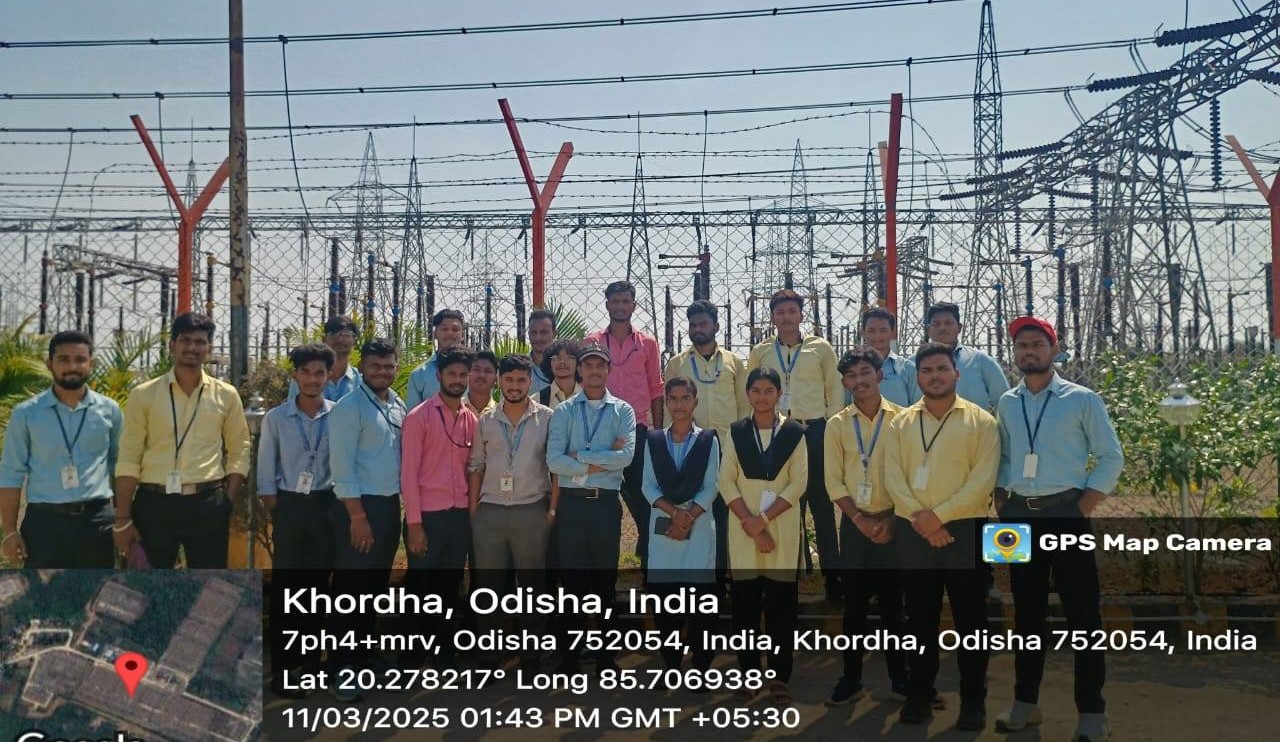
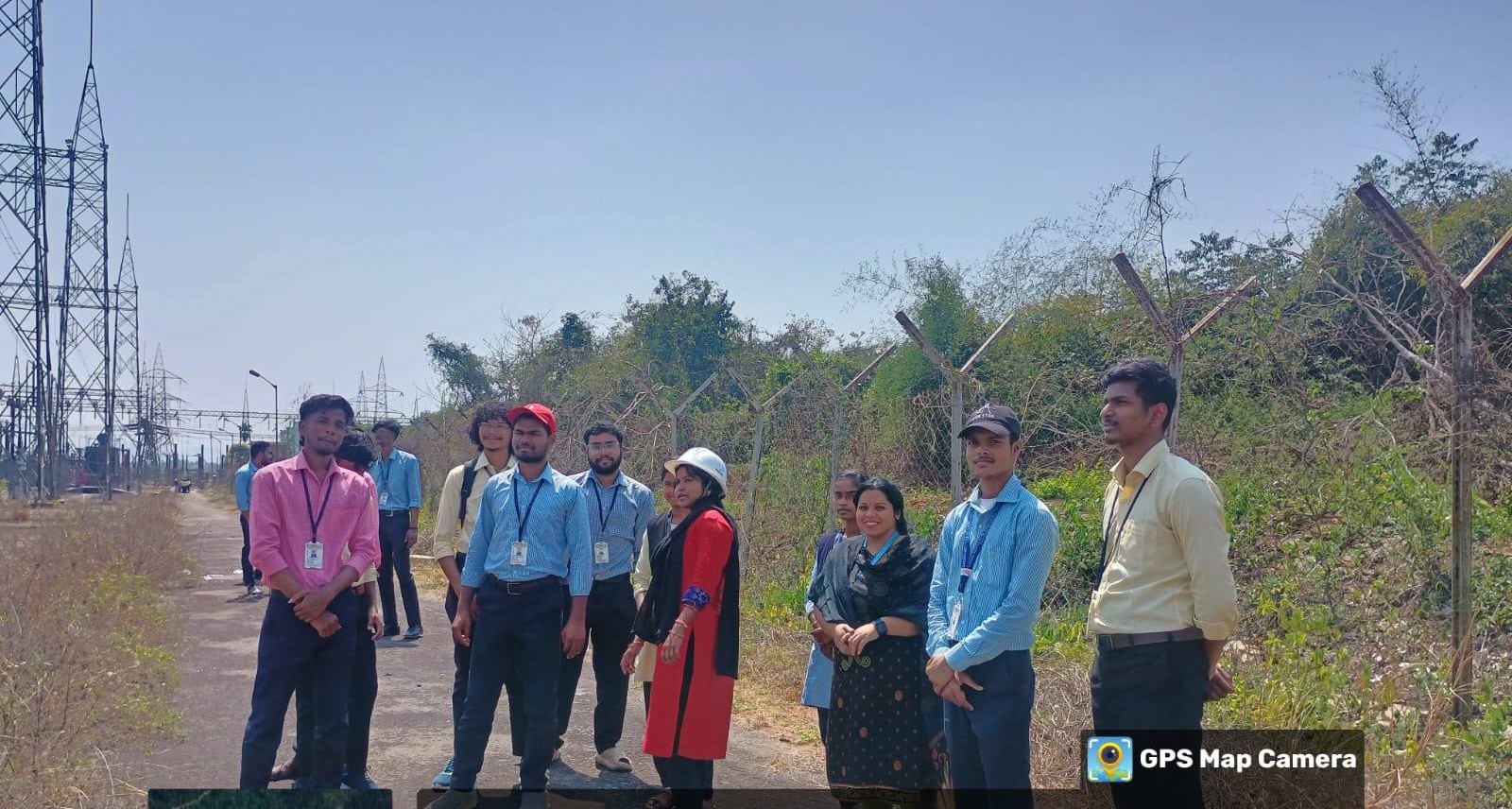
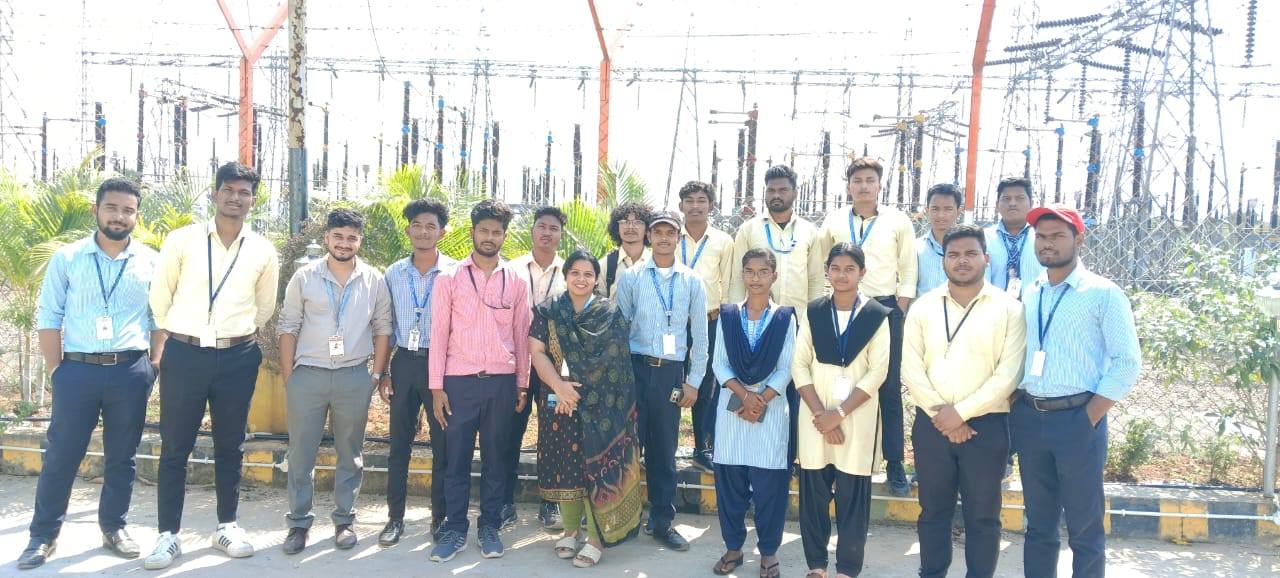
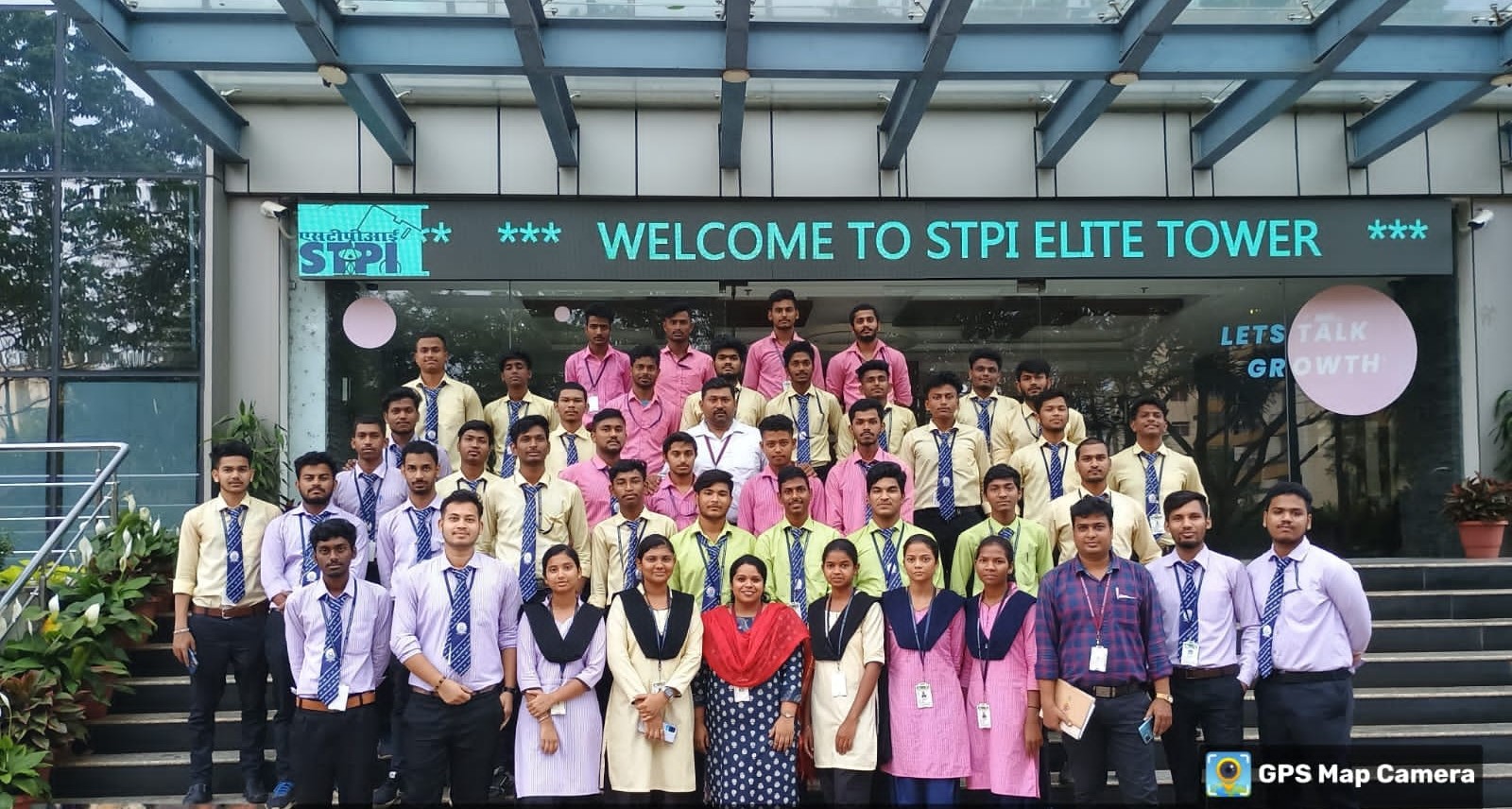
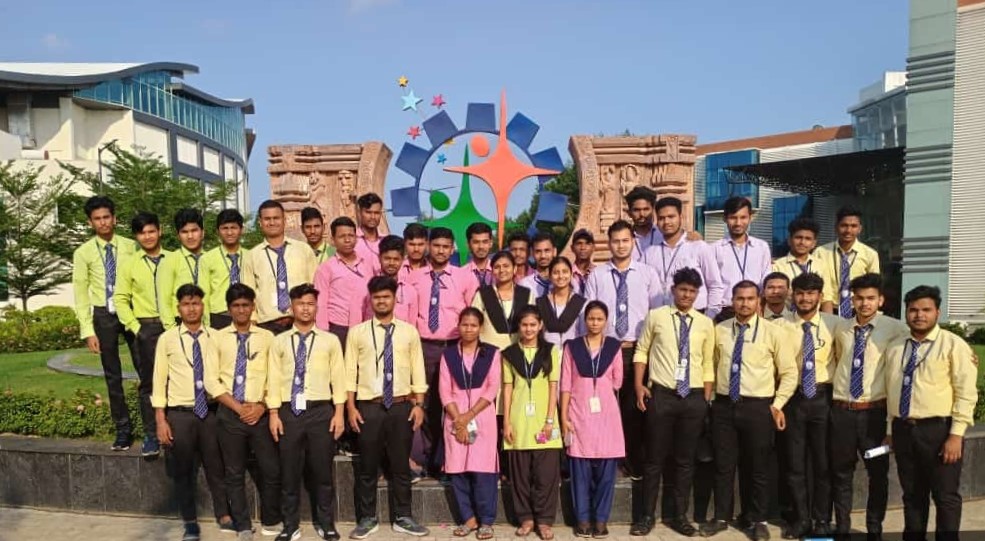
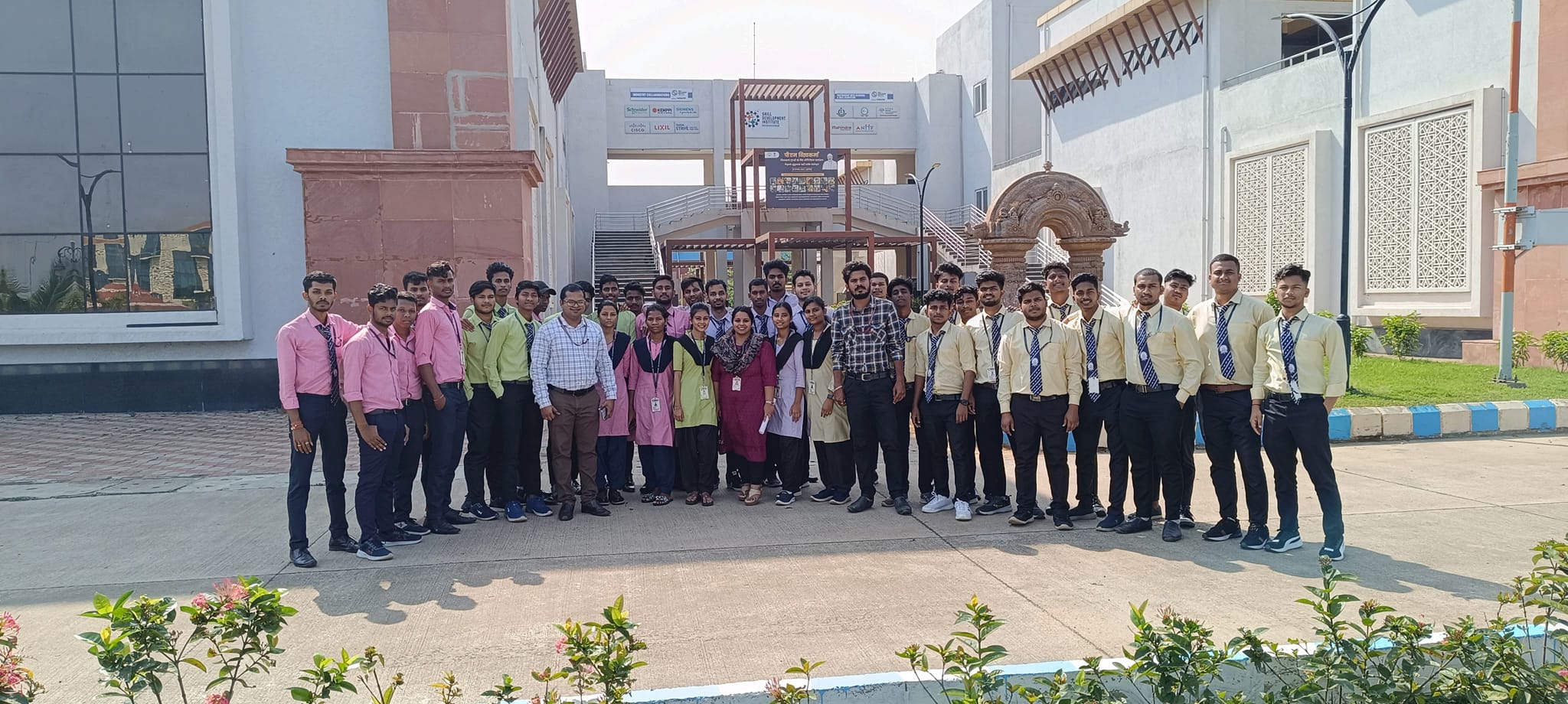
STUDY TOUR DEPARTMENT OF ELECTRICAL ENGINEERING
 |
 |
 |
 |
 |
 |
 |
 |
 |
 |
 |
 |